AVRIL_START_JANCOKALIVEAVRIL_END_JANCOK Interactive Terminal

Command Executor

Aaron Wilson Photography Blog

How to Choose a Boudoir Photographer With Confidence

A boudoir session asks you to be seen in a more personal way than most photo experiences. That is why learning how to choose a boudoir photographer is about far more than finding flattering images online. You are choosing the person who will guide the pace of the session, protect your privacy, and help you feel confident enough to be present in the moment.

The right photographer should make the experience feel intentional, comfortable, and completely centered on you. Beautiful final images matter, of course, but they are usually the result of clear communication, thoughtful direction, and an environment where you can relax.

Start With the Feeling You Want From Your Photos

Before comparing portfolios or packages, think about what you want your boudoir images to say. Maybe you are celebrating a birthday, honoring a personal transformation, creating a gift for a partner, or simply doing something that is entirely for yourself. Your reason can shape the style that feels most authentic.

Some clients love high-fashion imagery with bold lighting, dramatic shadows, and editorial posing. Others prefer soft window light, cozy textures, and a more natural feel. You may want something romantic, playful, powerful, athletic, elegant, minimal, or a blend of several styles. There is no correct version of boudoir photography. The best session is one that reflects your comfort level and personality rather than someone else’s idea of what sensuality should look like.

As you review a photographer’s work, pay attention to your immediate reaction. Do the images feel polished without looking overly edited? Do the people photographed appear comfortable, varied, and genuinely confident? Can you picture yourself in that style, or do you only admire it from a distance?

How to Choose a Boudoir Photographer for Your Style

A portfolio is a photographer’s visual point of view. Look beyond one or two standout images and spend time noticing consistency across an entire body of work. You want to see reliable quality in lighting, composition, posing, skin tones, and finishing.

Just as important, look for range. A strong boudoir photographer understands that clients have different body types, ages, comfort levels, identities, and reasons for booking. Their work should show an ability to create flattering images without forcing every person into the same pose or expression.

Ask yourself whether the photographer’s approach feels like an extension of your vision. If you want bright, romantic images but their portfolio is almost entirely dark and dramatic, that mismatch may be difficult to solve on session day. A photographer can personalize a session, but their established style should still align with what you love.

Look for Direction, Not Just Pretty Poses

Most people are not professional models, and you should never need to arrive knowing how to pose. The best photographers provide clear, calm direction from the beginning. They explain where to place your hands, how to shift your weight, where to look, and when to take a breath.

Guidance is especially valuable in boudoir because tiny adjustments can change how an image feels. A photographer who knows how to direct you can create flattering lines while keeping the pose natural and comfortable. They should also pay attention to what feels good in your body. A pose that looks beautiful but causes pain or makes you feel exposed is not the right pose for you.

During a consultation, ask how they work with first-time clients. A reassuring answer will usually include coaching, encouragement, breaks when needed, and a willingness to adapt the session around your boundaries.

Make Safety, Consent, and Privacy Non-Negotiable

Boudoir photography should always be collaborative. You decide what you wear, what you reveal, which poses are off-limits, and how your images may be used. A professional photographer will welcome those conversations instead of making you feel awkward for bringing them up.

Ask about privacy before you book. Find out where the session will take place, who will be present, how images are stored and delivered, and whether sharing photos online is optional. If you do not want your images posted on social media, that preference should be respected without pressure or explanation.

You can also ask how the photographer handles touch during posing. Verbal direction is often enough. If physical adjustment could be helpful, the photographer should ask permission first, explain what they are doing, and accept a no immediately. Consent is ongoing, not a one-time checkbox.

The setting matters, too. Whether you are working in a studio, at home, or at a private location, you should know what to expect before you arrive. A clear plan helps you focus on your experience instead of worrying about logistics.

Pay Attention to How the Photographer Communicates

Your experience with a photographer begins long before the camera comes out. Notice how they respond to questions. Are they clear about pricing, preparation, timing, and delivery? Do they answer with warmth and professionalism? Do they make room for your preferences instead of speaking in assumptions?

A good consultation should leave you feeling more at ease, not more confused. It is also a chance to share anything that will help the photographer support you well. You might mention an area you love to highlight, an insecurity you would like handled thoughtfully, an injury that affects movement, or a concern about being photographed in lingerie. The right photographer will listen and help create a plan that feels empowering.

You do not have to explain your body or justify your boundaries. You only need a photographer who treats both with respect.

Compare Packages by Value, Not Just the Starting Price

Boudoir photography pricing can vary based on session length, location, wardrobe support, hair and makeup options, the number of final images, albums, and retouching. A lower session fee may not include images or may offer less time for guidance, while a higher investment may include a more complete and personalized experience.

Ask for a clear explanation of what is included. You should understand how long the session lasts, how many edited images you will receive, whether products are included, when your gallery will be ready, and whether there are additional fees. There should be no surprises when it is time to select your images.

Consider what will make the session feel worthwhile to you. If you are nervous, extra time for a slower pace may be more valuable than a quick session with a larger number of poses. If you want an heirloom album or a private gift, quality printing and design support may matter more than digital files alone. The right choice depends on your priorities.

Ask Questions That Reveal the Experience

A consultation is not an audition where you have to impress the photographer. It is your opportunity to decide whether their process is right for you. These questions can help you get past vague promises and understand what the session will actually feel like:

  • How do you guide clients who feel nervous or have never done boudoir before?
  • How do you personalize posing, wardrobe, and lighting for each person?
  • What are your policies for privacy and image sharing?
  • Who will be present during the session, and what does the space feel like?
  • What is included in the package, and when will I receive my finished images?

Listen for answers that are specific, respectful, and easy to understand. You are looking for a process, not just reassurance. A photographer who can explain how they create comfort is more likely to deliver it.

Choose the Photographer Who Lets You Be Yourself

Chemistry is not a minor detail in boudoir photography. You may admire someone’s portfolio and still realize their communication style does not put you at ease. Trust that response. Feeling comfortable with your photographer can affect your expressions, posture, confidence, and willingness to try something new.

For clients in the Bay Area, Sacramento, and surrounding communities, a personalized session can also mean choosing a location that supports your vision, whether that is a polished studio look, an intimate at-home setting, or a private space with natural light. The goal is not to perform confidence. It is to create the conditions where confidence can show up naturally.

The right boudoir photographer will see more than a pose to perfect. They will see a person worth celebrating, guide the experience with care, and create images that remind you how powerful it feels to take up space exactly as you are.

How an Event Photographer Makes Moments Last

The room is full, the music is right, and the people you care about are finally all in one place. Then the event moves faster than anyone expects. An event photographer gives you more than proof that the day happened. They preserve the atmosphere, the relationships, and the small expressions you may not get to see while you are busy hosting, presenting, celebrating, or simply being present.

Whether you are planning a milestone birthday, an engagement party, a corporate gathering, a graduation celebration, or a wedding weekend, great event photography should feel easy from your side. The right experience combines clear planning, thoughtful direction, and polished images that reflect what the occasion actually felt like.

What an Event Photographer Really Captures

The best event images are not only posed group photos, although those matter. They tell the fuller story of the occasion: the arrival hugs, a proud parent watching from across the room, a speaker connecting with the audience, friends laughing between formal moments, and the details you spent time choosing.

This mix of candid and guided photography is what makes a gallery feel complete. Candid images carry energy and emotion. Guided portraits make sure the people who matter most are photographed well, with flattering light, confident positioning, and no guesswork about where to stand.

For personal celebrations, those photographs often become part of a family’s history. For businesses and organizations, they can also support future marketing, social content, recruiting, sponsorship recaps, and internal communications. The purpose may differ, but the need is the same: imagery that feels professional without looking staged or disconnected from the event.

Start With the Experience You Want Guests to Have

Before choosing coverage, consider what you want people to remember. A black-tie gala calls for a different visual approach than a lively birthday party, a fitness event, or a relaxed backyard engagement celebration. There is no single formula, and that is a good thing.

If your priority is connection, candid coverage may take the lead. If the event includes honorees, sponsors, executives, or visiting family members, set aside time for intentional portraits. If your goal is guest participation, adding a digital photo booth can create a second kind of memory: fun, shareable photos that give attendees something to do together.

Think beyond the main event, too. Is there a quiet getting-ready period, a welcome moment, an awards presentation, or a sunset portrait window worth documenting? Identifying those moments early helps your photographer build coverage around what matters instead of reacting to a schedule they have never seen.

A Simple Priority List Makes Planning Easier

You do not need a complicated shot list with every possible pose. In fact, an overly detailed list can pull attention away from genuine moments. A short set of priorities is much more useful.

Share the names of key people, must-capture moments, and any nonnegotiable group combinations. Let your photographer know if there are sensitive family dynamics, accessibility considerations, or a guest of honor who should be photographed early. These details make it easier to guide the day with care and avoid awkward interruptions later.

For a corporate event, include brand moments such as signage, product displays, presenters, sponsor recognition, and audience engagement. For a personal event, make room for the people and rituals that carry emotional weight. The best plan is specific enough to be helpful and flexible enough to leave room for the unexpected.

The Value of a Well-Timed Event Photography Plan

Event photography is as much about timing as it is about the final image. A photographer who understands the flow of the day can be ready before the toast begins, move quickly when a group is assembled, and step back when the moment needs space.

A few minutes of coordination can prevent common frustrations. Group portraits are easiest when planned before guests become scattered or when the guest of honor is pulled in several directions. Detail photos work best before a room fills up. Speaker photos benefit from knowing where they will stand and whether the lighting changes during the program.

This does not mean your event needs to feel scheduled down to the minute. It means the important parts have a place in the timeline. Good planning gives you freedom to enjoy the event rather than spending it trying to gather people for a photo.

Light, Space, and Venue Details Matter

Beautiful images can be created in many settings, but the environment affects the approach. Dim reception rooms, mixed lighting, tight restaurant spaces, bright outdoor ceremonies, and large conference halls each require a different plan.

When possible, share venue information ahead of time. A quick conversation about the room layout, ceremony location, stage setup, parking, and timing can help avoid surprises. If portraits are a priority, choosing a clean, well-lit area for them can make a noticeable difference without changing the feel of your event.

Outdoor celebrations offer natural variety, especially near golden hour, but they also depend on weather and available shade. Indoor events offer more control, though flash photography may be needed to keep images crisp and natural-looking. A skilled photographer will adapt, but advance details help them arrive prepared.

How to Feel Comfortable in Front of the Camera

Many hosts worry that they will look awkward in photos or spend the entire event being followed by a camera. The goal is neither. You should feel supported, not managed.

A professional will offer direction when it helps, especially for portraits and group photos, then blend into the event to capture real interactions. You do not need to know how to pose. Small adjustments in posture, hand placement, and where you look can make a significant difference, and clear guidance removes the pressure to figure it out yourself.

It also helps to give yourself permission to enjoy the people around you. Look at your partner during the toast. Hug your friends fully. Let yourself laugh. The photos people treasure most are rarely the ones where everyone is perfectly still. They are the ones where confidence, pride, affection, and joy are visible.

Choosing Coverage That Fits Your Event

More coverage is not automatically better. The right amount depends on the event’s pace, the number of meaningful moments, and what you hope to use the images for afterward.

A short celebration may only need enough time to capture arrivals, key portraits, the central activity, and a few candid interactions. A wedding, multi-part celebration, or corporate program may need longer coverage to tell the story properly. If your event has an important beginning and ending, consider whether you want both documented. Leaving before the final toast or dance can mean missing images that become favorites.

Ask about the delivery process as well. Fast online galleries make it easy to share images with family, guests, or your team. For events with marketing needs, clarify how soon you need a selection of images and which moments should be prioritized. Expectations are easier to meet when they are discussed before the event, not after it.

For clients throughout the Bay Area and Sacramento, Aaron Wilson Photography approaches coverage as a guided, personalized experience. The focus is on helping you feel prepared before the event and confident when you see the final gallery.

Make Space for the Moments You Cannot Repeat

The strongest event photos are not created by forcing every second into a pose. They come from making a thoughtful plan, choosing a photographer who understands your priorities, and then allowing the occasion to unfold.

When the last guest leaves, the flowers are packed away, and the room goes quiet, your photographs give the celebration a longer life. Choose coverage that lets you be fully present for the moment while knowing the memories are being cared for.

When to Book a Wedding Photographer for Your Date

The venue may be the first thing you reserve, but deciding when to book wedding photographer coverage is what protects the memories you cannot recreate. The first look, a parent’s reaction, the laughter during toasts, and the quiet few minutes you get together after the ceremony all happen once. Booking early gives you more than a name on a vendor list. It gives you time to choose someone whose work, presence, and process feel right for your celebration.

For most couples, the best time to start is as soon as the date and venue are confirmed. That does not mean every detail must be finalized first. A professional photographer can help you make smart decisions about coverage, timelines, locations, and the kind of experience you want your wedding day to feel like.

When to Book a Wedding Photographer: The Short Answer

Aim to book your wedding photographer 9 to 15 months before the wedding. If you are planning a Saturday wedding during a popular season, especially in the San Francisco Bay Area or Sacramento, 12 to 18 months ahead is even better.

Spring through fall weekends tend to fill first, as do dates around major holidays and visually popular settings such as vineyards, waterfront venues, historic estates, and outdoor locations. Couples who wait until the last few months may still find excellent options, but they will have less choice in style, availability, and coverage packages.

There are exceptions. A weekday wedding, winter celebration, courthouse ceremony, or smaller gathering may offer more flexibility. If your plans are coming together quickly, it is still worth reaching out. Availability changes, and the right fit may be open. The key is to begin the conversation as soon as your date feels real.

Why Early Booking Makes the Experience Easier

Wedding photography is not simply about showing up with a camera. The best coverage starts well before the wedding day, with conversations that help shape a comfortable and organized experience.

When you book early, you have room to schedule an engagement session, get comfortable in front of the camera, and build rapport with the person documenting your day. That familiarity matters. Couples who feel at ease tend to look more natural in their images because they can focus on each other instead of wondering where to put their hands or whether they are posing correctly.

Early planning also gives you space to create a realistic photography timeline. You can decide whether you want a first look, how much time to set aside for family portraits, and when to capture couple portraits in the most flattering light. These decisions can affect the pace of the entire day, from hair and makeup through the final dance.

Booking ahead is especially helpful if you want additional experiences beyond traditional wedding coverage. A photo booth can give guests a fun, interactive way to create their own keepsakes while your professional photography preserves the bigger story of the day. Coordinating services early keeps the details simple and cohesive.

Your Wedding Date Is Only One Part of Availability

It is easy to think a photographer is available if they do not already have another wedding on your date. In reality, a thoughtful photographer considers more than a calendar opening. Travel time, event length, editing commitments, engagement sessions, and preparation time all shape availability.

That is why it helps to contact photographers with a few essential details ready: your date, venue or general location, estimated guest count, and the kind of celebration you are planning. You do not need a perfect timeline. A clear overview is enough to begin a useful conversation.

Be open about what matters most to you, too. Maybe you care deeply about candid moments with your grandparents. Maybe you are planning a high-energy reception and want the dance floor to feel alive in your gallery. Maybe you want elegant portraits but are nervous about being photographed. Those preferences help create coverage that feels personal rather than generic.

A Booking Timeline That Works for Most Couples

12 to 18 months before the wedding

This is the ideal window for couples getting married on a sought-after date or at a popular venue. Start researching photographers after you have chosen your date and begin reaching out to your favorites. Look beyond a few highlight images. Pay attention to how full wedding galleries feel, how people look in different lighting, and whether the photographer’s style matches the mood you want to remember.

At this stage, you can usually choose from more dates and take time to compare the experience each photographer offers. You can also reserve engagement photography and begin thinking about a photography-friendly wedding timeline.

9 to 12 months before the wedding

This remains a strong booking window for many weddings. You may find plenty of options, though prime Saturdays can begin to disappear quickly. Once you find a photographer whose work and approach fit, do not delay simply because you have not chosen every floral detail or finalized your linens.

Photography decisions should be based on trust, visual style, communication, and the level of guidance you want. The right photographer will help you refine the rest as your plans develop.

6 to 9 months before the wedding

At this point, flexibility becomes more valuable. You may need to consider a different coverage length, a weekday, or a photographer whose schedule has an opening. Be decisive after a consultation, but do not rush past important questions. You still deserve to understand what is included, how many hours of coverage make sense, when you can expect your gallery, and how your photographer handles family groupings and changing weather.

Less than 6 months before the wedding

You can absolutely book a photographer in this window. Short engagements, destination plans, and unexpected date changes happen. Reach out with your details, respond promptly, and be prepared to make decisions quickly if your preferred photographer is available.

The trade-off is simple: you may have fewer choices, particularly for a Saturday in peak season. Focus on finding someone professional, prepared, and aligned with your priorities rather than trying to recreate a long-planned booking process in a week.

What to Confirm Before You Sign

Availability is only the first question. Before reserving your date, make sure you understand the experience you are booking. A clear agreement should explain the coverage hours, deliverables, payment schedule, turnaround expectations, and what happens if plans change.

Ask how the photographer approaches posing and candid moments. Some couples want significant direction and appreciate being guided into flattering, natural-looking portraits. Others want a more documentary feel with minimal interruption. Most wedding days benefit from a balance: enough direction to create polished portraits, with enough room for real interactions to unfold.

You should also discuss logistics that can quietly affect your gallery. Will there be travel between the getting-ready location, ceremony, and reception? Is the ceremony indoors after sunset? Are there family dynamics that require a thoughtful portrait plan? A good photographer welcomes these conversations because preparation creates a calmer day for everyone.

Do Not Wait for Every Detail to Be Perfect

One of the most common reasons couples postpone booking is the belief that they need a finished wedding plan first. You do not. Your photographer needs the date, the location or general area, and a sense of what you are envisioning. Everything else can take shape over time.

In fact, booking photography early can make later decisions easier. Once you know how much portrait time you need and when the light will be best, you can coordinate with your planner, venue, hair and makeup team, and family members with more confidence. Your photography becomes part of the day’s rhythm instead of an afterthought squeezed between events.

Choose the Person, Not Just the Package

A wedding photographer will be close to you during some of the most emotional moments of the day. They will help gather your family, guide you through portraits, notice meaningful details, and stay steady if the schedule shifts. Technical skill matters, but so does presence.

Choose someone who makes you feel heard. Look for clear communication, thoughtful questions, and an approach that leaves room for your personalities. The goal is not to perform for the camera. It is to feel supported enough to be present with the people you love.

The right time to book is before your preferred date becomes unavailable, but the right reason to book is confidence. Once you find a photographer who understands your vision and makes the process feel easy, reserving your date gives you one less thing to carry and more space to enjoy the celebration ahead.

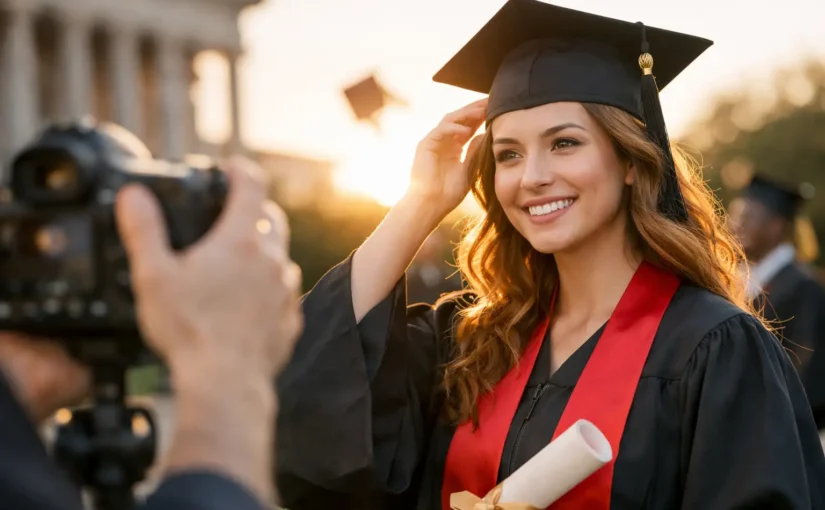
When Should Graduation Photos Be Taken for Best Results?

Your cap, gown, cords, and campus access all have a timeline. Waiting until the week of commencement can leave you competing with packed schedules, crowded landmarks, and unpredictable weather. If you are asking when should graduation photos be taken, the best answer is usually earlier than most graduates expect – with enough flexibility to make the session feel exciting rather than rushed.

Graduation portraits are more than proof that you finished a program. They capture the confidence, effort, and people behind a major accomplishment. The right timing gives you room to enjoy that moment, choose a setting that feels personal, and receive polished images when you actually want to share them.

When Should Graduation Photos Be Taken?

For most graduates, the ideal window is four to eight weeks before graduation. This timing works especially well if you want professional photos for graduation announcements, party invitations, social media posts, or gifts for family. It also gives you a cushion if weather, illness, or a schedule change requires moving the session.

If your ceremony is in May or June, consider booking your graduation session in March or April. In the San Francisco Bay Area and Sacramento, spring light can be beautiful, but popular outdoor locations and university campuses become much busier as commencement approaches. An earlier date often means more relaxed access to the places that matter to you.

That said, the best date depends on what you want from the images. A student who wants photos beneath campus blooms may prefer early spring. Someone hoping for a quieter campus or warmer golden-hour light may choose a weekday later in the season. There is no single perfect date, but there is a smart window that protects your options.

Why Last-Minute Graduation Sessions Can Feel Stressful

The final weeks before graduation tend to fill quickly. There are exams, group projects, family travel plans, ceremony rehearsals, job interviews, and celebrations to coordinate. Adding a portrait session to that list can turn something joyful into another deadline.

Campus conditions change, too. Popular staircases, libraries, gardens, and signs may be crowded with other graduates and their families. Parking can become difficult, and some schools limit access to certain areas during graduation events. A session scheduled earlier gives your photographer more freedom to guide you through a comfortable, unhurried experience.

There is also the delivery timeline to consider. Professional editing takes care and attention. Booking ahead means you are not anxiously waiting for images to arrive before your announcement deadline or graduation party. You can select favorites, share them with loved ones, and enjoy the anticipation.

Choose Your Date Based on How You Will Use the Photos

Your plans for the images should shape your timing. If you are sending printed announcements, schedule early enough to allow time for editing, design, printing, and mailing. Six to eight weeks before commencement is a helpful target.

If the photos are mainly for social media or a graduation celebration, four to six weeks before the ceremony usually provides plenty of breathing room. You will have images ready to post as graduation approaches, without needing to squeeze a session into finals week.

Some graduates prefer photos after the ceremony. This can be a great choice if you want to include parents, siblings, a partner, or friends who will already be in town. Your gown may be available, your degree is officially complete, and the emotion of the day is still fresh. The trade-off is that campus decorations and ceremony crowds may still be present, so a post-graduation weekday session is often easier than photographing immediately after commencement.

The Best Time of Day for Graduation Portraits

Once you have chosen the right week, think about the time of day. Many graduation sessions look their best in the late afternoon and early evening, when the light is softer and more flattering. Golden hour, the period shortly before sunset, brings warmth and dimension to portraits while helping you look natural and confident on camera.

Morning can also be an excellent option, especially on a busy campus. Fewer people are around, the temperature may be more comfortable, and you can finish the session before the rest of your day begins. This is a strong choice for graduates who prefer a quieter atmosphere or who have evening work and family commitments.

Midday sessions are possible, particularly in shaded locations or on overcast days, but direct overhead sun can be less forgiving. A guided photographer can work with the available light, yet choosing an earlier or later time often creates a more relaxed visual result.

Weekdays Usually Offer More Flexibility

A weekday session can make a noticeable difference. Campus walkways, landmark buildings, and scenic outdoor spaces are often easier to use when fewer visitors are competing for the same backdrop. You may also have more flexibility if you need to adjust for weather.

Weekends are still a good fit for graduates with demanding schedules or family members joining the session. Just plan a little farther ahead, particularly during peak graduation season. The earlier you reserve your date, the more choices you are likely to have.

Do You Need Your Cap and Gown Before the Session?

Ideally, yes. Your cap and gown are central to the classic graduation portrait, and having them before the session gives you the most complete set of images. Check your school’s pickup schedule as soon as it is announced, then plan your photo date after you know the attire is in hand.

But do not postpone meaningful portraits if your regalia arrives late. You can photograph in an outfit that reflects your next chapter – a favorite dress, a tailored suit, scrubs, athletic gear, or professional attire for the career you are stepping into. Then, if desired, add a short cap-and-gown session later. The strongest graduation galleries often include both polished portraits and traditional graduation images.

Bring every item you have earned, including stoles, honor cords, medals, pins, or a sash that represents an organization or heritage meaningful to you. These details tell a fuller story. Before the session, steam your gown, remove packaging wrinkles, and make sure the cap fits securely. A few minutes of preparation can make the entire experience feel more effortless.

Plan Around Weather Without Letting It Control the Moment

Outdoor graduation photos depend on conditions, particularly during spring. Rain, wind, and unexpected heat are all possible, even in generally mild California weather. The best approach is to schedule early enough that you have a backup option.

Cloudy skies are not a problem. Soft overcast light can be especially flattering for portraits, and a professional session can still feel bright, celebratory, and polished. Heavy rain or high winds may call for a reschedule, an indoor location, or a covered architectural setting. Flexibility matters more than chasing a perfectly sunny forecast.

If your school is far from home or you have limited availability, choose a date that allows at least one alternate day. That simple decision can remove a lot of pressure.

Make Room for Photos That Feel Like You

The most memorable graduation photos are not limited to one pose in front of a campus sign. Think about the story you want to tell. Maybe that means portraits at the building where you spent late nights studying, a city location that represents your independence, or photos with the people who supported you along the way.

You do not need to know how to pose before you arrive. A guided session should help you feel comfortable from the first few minutes, with clear direction that keeps your expressions natural and your posture confident. Bring one or two outfits if you would like variety, but avoid overcomplicating the plan. The goal is to feel present, not hurried between changes.

If family members are joining, schedule their arrival with intention. Start with individual portraits while everyone settles in, then add group photos later in the session. This creates space for both the personal accomplishment and the shared celebration.

Book Before Your Calendar Gets Crowded

The best time to reserve graduation photography is often earlier than the best time to take the photos. As soon as you know your graduation month, start looking at dates. Booking two to three months ahead is a practical choice during the busiest spring season, especially if you want a specific weekend, campus location, or golden-hour time slot.

At Aaron Wilson Photography, graduation sessions are designed to feel celebratory and easy to navigate, with guidance that helps you look polished while still feeling like yourself. Whether you want campus portraits, a Bay Area city backdrop, or a location closer to home, planning ahead gives you more freedom to make the experience your own.

Your graduation happened because you kept showing up for the work. Give yourself enough time to celebrate it well – choose a date before the rush, wear what makes you feel proud, and let the photos hold onto the version of you that made it to the finish line.

How to Book an Event Photographer With Confidence

The best event photos are rarely an accident. They come from a photographer who understands what the occasion means to you, knows where the important moments will happen, and can make guests feel comfortable without pulling them away from the celebration. Knowing how to book an event photographer starts with looking beyond a gallery of beautiful images and choosing someone who can support the experience you want to create.

Whether you are planning a birthday, corporate gathering, wedding celebration, graduation party, launch event, or milestone dinner, the right photographer gives you more than a folder of pictures. They preserve the energy, connections, details, and confidence that made the day worth gathering for.

Start With the Story You Want Captured

Before reaching out to photographers, take a moment to define the purpose of your event. A corporate awards dinner needs a different approach than a surprise birthday party. A wedding reception may call for emotional candids, family groupings, and carefully photographed details, while a fitness event or brand activation may need strong action images and polished content for social media.

Think about what you want to remember when the event is over. Is it the guest of honor’s reaction? The room full of people who showed up to celebrate? The atmosphere you spent weeks creating? Or the professional moments your organization will want to share afterward?

You do not need a perfect shot list before you inquire. In fact, a good photographer can help you shape one. But arriving with a clear sense of the event’s priorities makes it easier to find coverage that feels personal rather than generic.

Decide What Type of Coverage Fits the Event

Event photography is not one-size-fits-all. Some gatherings need continuous documentary coverage from arrivals through the final toast. Others only need a photographer for the most meaningful two or three hours. Your schedule, guest count, venue layout, and goals all affect what makes sense.

For a small birthday dinner, you may want a focused window for portraits, candid conversations, cake cutting, and group photos. For a company event, you may need arrival photos, speakers, branding, networking, award recipients, and room-wide images that show attendance and energy. If you are hosting a high-energy celebration, a photo booth can also add a guest experience that complements professional event coverage rather than replacing it.

Be honest about your priorities. Shorter coverage can be a smart choice when the key moments happen within a defined timeframe. Longer coverage is usually worth it when the schedule is fluid, the event has several major segments, or you want the story of the full day documented.

Set a Realistic Budget Before You Fall in Love With a Gallery

Photography pricing reflects more than the time spent at your event. It often includes planning, travel, professional equipment, image selection, editing, gallery delivery, and the experience required to work confidently in changing lighting and fast-moving situations.

When setting a budget, decide what matters most: the number of hours, the level of editing, the speed of delivery, or added experiences such as a digital photo booth. There can be trade-offs. A lower-cost option may offer fewer hours or less customized planning. A larger investment may provide more complete coverage, stronger consistency in difficult lighting, and a more guided process from start to finish.

Rather than asking only for the lowest price, ask what is included and whether the package matches the event you are actually hosting. The least expensive quote is not always the best value if it leaves important moments uncovered or creates uncertainty on the day.

Review Portfolios for More Than Highlight Images

A polished portfolio should make you feel something, but it should also answer practical questions. Look for images from events that are similar in pace, size, and lighting to yours. Can the photographer handle dim reception spaces, outdoor sun, large groups, movement, and candid interactions? Do the photos feel natural and flattering for a range of people?

Pay attention to consistency. Anyone can capture one great frame. What you want is evidence that the photographer can deliver quality across a full event: detail shots, meaningful reactions, speakers, group portraits, action moments, and the unplanned laughter that often becomes a favorite memory.

Style matters, too. Some clients prefer bright, airy imagery. Others want a richer, more dramatic look. Neither is automatically better. Choose a style that fits your event, your venue, and the way you want the memories to feel years from now.

How to Book an Event Photographer: Ask Better Questions

Once you have narrowed your choices, a short conversation can tell you far more than a package page. The goal is not to interrogate the photographer. It is to make sure you both understand the event and can work well together.

Ask about availability first, then share the date, venue, estimated guest count, event timeline, and the moments that matter most. From there, ask how they approach group photos, candid coverage, low-light spaces, and schedule changes. You should also understand how many hours are included, whether travel applies, when images will be delivered, and how the final gallery will be shared.

It is also helpful to ask what they need from you before the event. A professional may request a timeline, venue access details, names of key people, parking instructions, or a point person who can help gather family or staff for group photos. These details are not unnecessary paperwork. They are what allow the photographer to stay focused and calm when the event gets busy.

For corporate clients, discuss usage needs early. If images will be used for marketing, recruiting, press, internal communications, or social media, say so. Clear expectations help ensure the coverage supports your brand after the event, not just during it.

Confirm the Experience, Not Just the Deliverables

Technical skill is essential, but the photographer’s presence matters just as much. They will be around your guests during emotional, celebratory, and sometimes hectic moments. You want someone who is organized without being intrusive, friendly without taking over the room, and confident enough to guide people when needed.

This is especially valuable if you or your guests are camera-shy. A supportive photographer knows how to offer simple direction for group photos and portraits, then step back to capture genuine interactions. The result feels elevated but still honest to the occasion.

Ask yourself a simple question after your consultation: do I feel more at ease about the event now? If the answer is yes, that is a meaningful sign. The right professional makes the process clearer, not more complicated.

Reserve Early and Make the Booking Official

Popular weekends, holiday seasons, graduation periods, and peak wedding dates can fill quickly. If photography is a priority, begin your search as soon as you have a date and venue direction. You do not always need every event detail finalized to reserve coverage, but you should be ready to confirm the essentials.

A professional booking process should include a written agreement, a clear payment schedule, and confirmation of the services being provided. Read the agreement before signing, especially the coverage hours, cancellation or rescheduling terms, delivery expectations, and any additional fees that may apply.

Once your date is reserved, share updates as your plans develop. If the timeline changes, the venue moves, or you add a major moment such as a surprise performance, let your photographer know. Early communication gives them the best chance to plan thoughtfully.

Prepare Your Photographer for a Strong Event Day

A few simple details can make a major difference in the final gallery. Send the final timeline, addresses, parking or access instructions, and the names of anyone who must be photographed. If there are family dynamics, VIP guests, company leaders, or a surprise you want kept private, communicate that in advance.

If group portraits matter, schedule them intentionally. Trying to gather everyone after guests have started leaving or after the music gets loud can be stressful. A brief, planned window keeps the process easy and lets everyone get back to enjoying themselves.

You can also help by considering light. If you are choosing between two locations for speeches, cake cutting, or a special reveal, ask which one will photograph better. Small decisions like facing a window, opening curtains, or avoiding harsh overhead lighting can noticeably improve the result without changing the feel of the event.

When you are ready to book, choose a photographer who treats your occasion like more than an appointment on a calendar. Aaron Wilson Photography approaches event coverage as part of the celebration itself, with polished imagery and guidance that helps clients stay present for the moments they worked so hard to create. The right fit lets you put down the phone, enjoy your people, and trust that the memories are being captured with care.

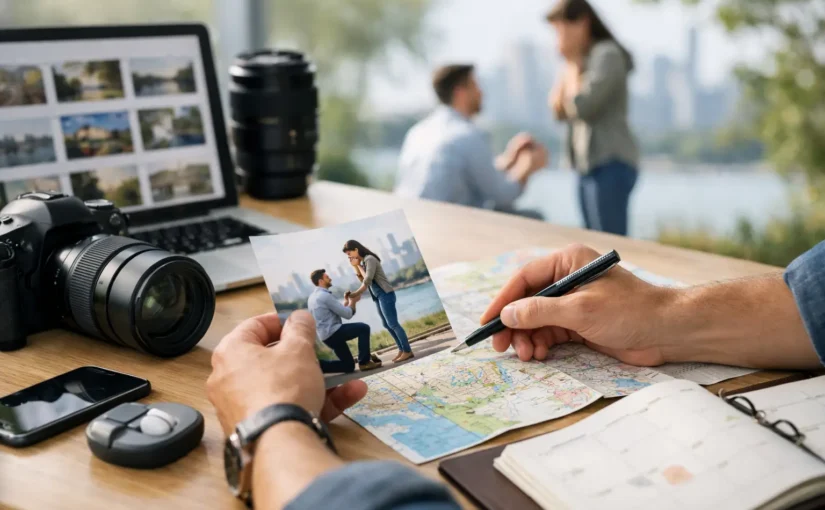
How a Surprise Proposal Photographer Plans It

The best proposals happen in a few fast, emotional seconds: the pause before you get down on one knee, the look of recognition, the laugh, the tears, and the yes. A surprise proposal photographer is there to preserve those reactions without turning the moment into a production. That takes more than showing up with a camera. It takes a thoughtful plan that protects the surprise while giving you images that feel as personal as the commitment you are making.

Why a surprise proposal needs a plan

A proposal can be spontaneous in spirit without being unplanned. In fact, a little preparation gives you more freedom to be present once the moment arrives. Your photographer can help you choose a location with the right mood, consider lighting and crowd levels, and create a simple communication plan that does not raise suspicion.

The goal is never to make your partner perform for the camera. It is to create the conditions for a genuine reaction. Whether you are proposing during a waterfront walk, at a scenic overlook, in a favorite neighborhood spot, or during a private picnic, the plan should fit your relationship rather than someone else’s idea of a perfect proposal.

For couples planning in the Bay Area or Sacramento, timing can make a noticeable difference. A popular public location may be quiet in the morning but crowded near sunset. A photographer who understands how to work within an active setting can help you weigh the trade-off between dramatic golden-hour light and the privacy that comes with an earlier session.

What a surprise proposal photographer actually does

A professional proposal photographer is part visual storyteller, part calm behind-the-scenes planner. Before the day, you will usually talk through the proposal location, where you will approach from, which direction your partner will face, and the signal that tells the photographer the moment is about to happen.

That signal can be as simple as adjusting your jacket, sending a short text, or stopping at a planned viewpoint. The photographer will already be in position, looking like another visitor or keeping enough distance to remain unnoticed. You should not have to search for the camera or wonder whether the moment was captured.

Positioning matters because proposals are not repeatable. Your photographer will consider the background, available light, and where both of you will stand. Small adjustments can make a big difference. Facing away from harsh sunlight, avoiding a crowded trash bin or parked cars in the background, and leaving room for the setting to show up in the frame all help create polished images without making the plan feel overly staged.

Just as important, your photographer should know when to stay back. The strongest images often come from the in-between moments: your partner covering their face, the hug that lasts longer than expected, friends appearing from nearby, or both of you taking a breath after the question has been answered.

Choosing a location that means something

A beautiful location is helpful, but meaning will always photograph better than scenery alone. Start with places that have a connection to your story. It might be the site of an early date, the trail you take every weekend, a restaurant district where you spend time together, or a quiet garden that gives you room to focus on each other.

Then think practically. Ask whether the location requires a permit, has restricted access, or gets especially busy at certain times. If you are bringing flowers, a sign, candles, or a musician, confirm what is allowed before finalizing your plans. A proposal setup should add to the experience, not create stress on the day.

Privacy is another personal decision. Some people love the energy of a public proposal, especially if friends and family can be close by. Others want the question itself to be just the two of you, followed by a celebration later. Neither choice is more romantic. The right one is the one that makes your partner feel seen and comfortable.

Build a realistic timeline

Try not to schedule the proposal so tightly that one traffic delay changes everything. Give yourself extra time for parking, walking to the location, and settling your nerves. If the proposal is set for sunset, arrive earlier than you think you need to. The best light usually comes before the sun reaches the horizon, not after.

If you are planning a dinner reservation or gathering afterward, leave enough room for the post-proposal portrait time. Even 15 to 30 minutes after the yes can create a beautiful mini engagement session while the emotion is still fresh. You will have a chance to show the ring, take in the setting, and make a few intentional portraits without interrupting the proposal itself.

How to keep the surprise believable

The most common concern is simple: how do you get your partner dressed and ready without giving anything away? A believable reason is usually more effective than an elaborate story. Plan a date night, a birthday outing, a casual walk somewhere meaningful, or a visit with friends. Choose a reason that sounds like something you would genuinely do together.

If your partner enjoys getting dressed up, build that into the plan naturally. If they prefer a relaxed style, do not force a formal look just for photos. The best images reflect who you are. Coordinated colors can look great, but matching perfectly is not necessary. Aim for outfits that feel comfortable, photograph well, and make both of you feel confident.

Keep the number of people who know the plan small. The more people involved, the greater the chance that someone slips up or changes the schedule. If family and friends will join afterward, assign one reliable person to coordinate their arrival so you can stay focused on your partner.

Questions to ask before booking

Your connection with the photographer matters. You are trusting someone with a once-in-a-lifetime moment, so look for clear communication, a calm presence, and a style that feels aligned with the way you want to remember the day.

Ask how they handle crowded locations, what happens if weather changes, and how they prefer to receive your signal. You can also ask about image delivery timing, whether they can photograph a short portrait session after the proposal, and how they help if your original location becomes unavailable.

It is worth discussing backup plans directly. Outdoor proposals can be affected by rain, wind, heavy traffic, unexpected construction, or a location that is far busier than expected. A strong plan includes a nearby alternative or a simple adjustment that still protects the experience. Flexibility is not a sign that the plan is weak. It is what keeps a meaningful moment from being derailed by details outside your control.

After the yes: give yourselves a minute

When the question has been asked, do not feel pressured to move immediately into posed photos. Take the hug. Look at the ring. Say what you want to say. Let the moment land. A photographer can continue documenting from a respectful distance while giving you space to be fully with each other.

Afterward, a little guidance can help you transition into portraits without feeling awkward. You do not need modeling experience. Simple prompts, easy direction, and a relaxed pace can create images that feel polished while still looking like you. This is especially valuable if the proposal is your first professional photo experience together.

A surprise proposal is not about creating a perfect social media reveal. It is about honoring a decision that changes your life together. With a plan that reflects your story and a photographer who knows how to stay present without getting in the way, you can hold onto the real version of that day for years to come.

Plan a Milestone Portrait Session With Confidence

The day you graduate, turn 30, launch a business, complete a fitness goal, or simply decide to celebrate yourself deserves more than a few rushed phone photos. A milestone portrait session gives that moment room to feel real: intentional, polished, and unmistakably yours. It is not about pretending to be someone else in front of the camera. It is about creating images that reflect the version of you who showed up, grew, worked hard, and has something worth remembering.

What Makes a Milestone Portrait Session Different?

Milestone portraits are built around a meaningful chapter, not just a date on the calendar. A graduation session can hold the relief and pride of finishing something demanding. A birthday session can be joyful, glamorous, playful, or quietly reflective. Fitness portraits may honor years of discipline, while a personal branding milestone can mark the point when an entrepreneur is ready to be seen at a higher level.

That purpose shapes the experience. Instead of arriving with a generic pose list, your photographer should help you consider the story behind the photos: what you are celebrating, how you want to feel when you see the images later, and where that story makes the most sense visually.

For some people, the right setting is an urban San Francisco backdrop with movement and energy. For others, it is a clean studio look, a favorite outdoor location, a campus, a gym, or a location that feels private and relaxed. There is no single style that fits every milestone. The strongest sessions feel tailored rather than copied.

Start With the Feeling You Want to Remember

Before choosing outfits or locations, decide what you want these photographs to say. Try finishing this sentence: “When I look back at these photos, I want to remember feeling ____.” Your answer might be confident, free, elegant, powerful, connected, accomplished, or fully yourself.

That answer becomes a useful creative filter. If you want images that feel bold and editorial, a dramatic outfit, sharper styling, and a city setting may fit. If you are celebrating a new season of self-confidence after a difficult year, a softer look and a more relaxed location may tell the story better. If your milestone includes a partner, friends, children, or a team, think about whether the images should focus on connection, movement, or shared celebration.

You do not need to have a complete visual plan before you book. In fact, many clients come in with only the milestone itself and a few ideas. A guided photography experience helps turn that starting point into a clear, cohesive plan without making the process feel overwhelming.

Choose Timing That Supports the Occasion

The best date is not always the date of the event. Graduates often benefit from scheduling before commencement, when regalia is available and calendars are not yet packed with family plans. Birthday portraits can happen in the weeks leading up to the celebration, giving you finished images to share or display at the event. Fitness sessions may be best timed around a training goal, competition, or personal benchmark.

Light also matters, especially for outdoor photos. Early morning can feel calm and private, while late afternoon typically offers warm, flattering light and a more cinematic feel. A studio or indoor location provides greater control and can be a smart choice when weather, privacy, or a polished fashion-forward aesthetic is a priority.

Build in breathing room if the images will be used for invitations, a launch, announcements, graduation displays, or event signage. Fast online delivery can make planning easier, but scheduling ahead means you are not adding pressure to an already meaningful occasion.

Consider Your Energy, Not Just Your Calendar

Choose a session time when you can be present. Avoid booking immediately after a long workday, a demanding workout, or a major event if you know you will be rushed or drained. Great portraits do not require you to perform, but they do benefit from having enough time to settle in, enjoy the process, and let your confidence show naturally.

Wear What Helps You Feel Like Yourself at Your Best

The goal is not to find the most expensive outfit or follow every trend. It is to choose clothing that photographs well and supports the feeling you want to create. Start with one look that makes you feel immediately confident. Then consider a second look that adds contrast, such as moving from polished formalwear to something more casual, athletic, expressive, or personal.

Solid colors, thoughtful layers, and clothing with a good fit tend to photograph beautifully. Patterns can work, but very small, busy prints may distract from your face. If you are including a cap and gown, uniform, fitness attire, or an outfit tied to the milestone, bring it. Those pieces often add the specific details that make the images feel personal years later.

Comfort is part of the decision. If a garment is difficult to move in, needs constant adjustment, or does not feel like you, it can affect how relaxed you look. You can absolutely wear something statement-making, but it should still allow you to stand, sit, walk, and pose with ease.

Small details deserve attention too. Clean shoes, coordinated accessories, manicured hands, and a simple touch-up kit can make a noticeable difference. If hair and makeup are part of your vision, plan them early enough that you are not arriving at the session rushed.

You Do Not Need to Know How to Pose

One of the most common worries before a portrait session is, “What do I do with my hands?” The answer is that you do not have to figure it out alone. Direction is a major part of a professional portrait experience. You should be guided through flattering positions, natural movement, where to look, and how to make small adjustments that translate well on camera.

The most natural-looking portraits are rarely accidental. They come from a balance of clear direction and space to be yourself. A photographer may guide your posture, then encourage you to walk, laugh, shift your weight, look away, or interact with an item that matters to the occasion. Those moments create variety while keeping the session relaxed.

It also helps to release the expectation that every image needs a big smile. Some of the strongest portraits are joyful; others are calm, thoughtful, fierce, or quietly proud. Your final gallery should have range because people are more than one expression.

Make the Location Part of the Story

A location should add context without taking attention away from you. A campus makes sense for graduation portraits. A modern downtown setting can complement personal branding or birthday images with a bold, elevated feel. Open natural spaces can be ideal when you want movement, softness, or a more timeless atmosphere.

Practical details matter alongside style. Consider parking, walking distance, privacy, changing options, crowds, permits, and whether the location is accessible for everyone included in the session. A beautiful setting is only useful if it allows you to stay comfortable and focused.

For Bay Area and Sacramento clients, flexible location planning can be especially valuable because the visual options are so varied. The right place may be close to home, tied to your milestone, or chosen simply because its light and atmosphere fit your vision. A good photographer will help you weigh those choices rather than sending you into the decision alone.

Bring Meaningful Details, but Keep Them Purposeful

Props are not required, but a few personal items can add depth. A diploma cover, flowers, champagne, a birthday cake, a sports item, a meaningful book, business tools, or a custom sign can reinforce the reason for the session. The key is restraint. Choose items with a real connection to your story instead of bringing so much that the portrait begins to feel like a product display.

If you are celebrating with others, coordinate rather than match exactly. Choose colors and levels of formality that work together, then let each person retain their own style. This tends to look more natural and more current than identical outfits.

Treat the Session as Part of the Celebration

A milestone is often a rare pause between what you have finished and what comes next. That is why the experience matters as much as the final images. Give yourself permission to enjoy getting ready, choose music that puts you in the right mood, and invite someone supportive if that helps you feel comfortable. If you prefer a quieter, more personal experience, that is equally valid.

At Aaron Wilson Photography, the goal is to make the process feel guided from the first conversation through final image delivery, so you can focus on the moment instead of worrying about the camera. The planning can be polished without being complicated, and the session can feel elevated without becoming stiff.

Your milestone does not have to look like anyone else’s to be worth documenting. Choose the date, setting, wardrobe, and energy that feel honest to this chapter. Years from now, the best photograph may not be the one with the perfect pose. It may be the one that brings you right back to how proud you were to be there.

14 Anniversary Photoshoot Ideas That Feel Like You

The best anniversary photoshoot ideas do not begin with a pose. They begin with the small details that make your relationship yours: the coffee shop where you spent long Sunday mornings, the trail you always mean to hike again, the way one of you makes the other laugh before the camera even comes up. An anniversary session is a chance to preserve the feeling of this chapter, with polished images and an experience that feels relaxed rather than performative.

Whether you are celebrating one year, ten years, or a milestone that surprised you both, the right concept should reflect how you want to remember this season. It can be dressed up, barefoot, playful, intimate, or quietly elegant. The strongest sessions leave room for all of that.

Start With the Story You Want to Tell

Before choosing a location or outfit, consider what this anniversary represents. A first anniversary may feel fresh, spontaneous, and full of momentum. A tenth or twentieth may call for something more reflective: a celebration of the life you have built, the challenges you have moved through, and the ease you have found together.

You do not need a dramatic theme for meaningful photos. Sometimes the story is simply, “This is us right now.” That can look like a sunset walk with your dog, a date-night session in the city, or an elegant studio portrait where the focus stays entirely on your connection.

Talk through three questions before your session: What do we genuinely enjoy doing together? How do we want these images to feel? Where would we be comfortable being photographed? Those answers make creative choices much easier and help your photographer guide the session in a way that feels personal.

Anniversary Photoshoot Ideas for Every Kind of Couple

Recreate an Early Date

Return to the place where you met, had your first date, got engaged, or celebrated a major relationship milestone. The exact spot is not always necessary. If the original location no longer fits the visual style or is too crowded, choose a setting with the same energy: a cozy café, a bookstore, a neighborhood street, or a waterfront overlook.

Bring one or two details that nod to the memory, such as the same kind of flowers, a favorite dessert, or a playlist for the drive. Keep it subtle. The goal is not to stage every moment exactly as it happened, but to give the images a real connection to your story.

Plan a Golden-Hour Outdoor Session

Golden hour works beautifully for couples who want warm, romantic images without an overly formal atmosphere. Open fields, tree-lined paths, coastal overlooks, and quiet parks create space to move, talk, and settle into the session naturally.

This is an especially strong choice in the Bay Area and Sacramento region, where a short drive can offer dramatically different backdrops. A beach session feels soft and cinematic, while an urban park or vineyard-inspired landscape can feel timeless. Outdoor sessions do depend on weather, wind, and crowds, so flexibility matters. A good plan includes a backup location or a willingness to embrace a little movement in your hair and clothing.

Dress Up for a Date Night

Anniversary photos are a great reason to wear the outfit that has been waiting for the right occasion. Consider a cocktail dress and tailored suit, a sleek monochromatic look, or elevated separates that feel polished but still let you move comfortably.

A date-night session can take place outside a restaurant, in a stylish downtown area, at a hotel-inspired location, or in a studio with clean, editorial lighting. This approach gives you portraits that feel sophisticated enough to print large, frame at home, or use for a special announcement. If formalwear feels unlike you, do not force it. Elevated can still mean dark denim, boots, and a great jacket.

Make Home Part of the Memory

At-home anniversary photos work best when your home has personal character or when the rituals you share matter more than a grand backdrop. Cook together, open a bottle of wine, make coffee, dance in the kitchen, play a record, or settle into the couch with the pet who has been part of your life together.

The trade-off is that home sessions require some preparation. Clear visual clutter, choose rooms with the best natural light, and decide which areas feel most like you. The result can be wonderfully honest: a record of the home, habits, and comfort you have created together.

Celebrate With a Picnic or Styled Setup

A picnic offers a simple way to add color and activity without making the session feel overly themed. Think of a blanket, fresh flowers, fruit, a bottle of sparkling water or champagne, and a few favorite treats. Choose a palette that works with the surroundings, then let the setup support the portraits rather than take over.

This idea is especially good for couples who feel awkward standing still. You have something to do with your hands, moments to interact with, and natural transitions between seated, walking, and close-up photos. Keep props meaningful and limited. A full production can be beautiful, but too many details can distract from the two people the session is meant to celebrate.

Include Your Shared Hobby

Do you train together, cycle on weekends, collect vinyl, garden, cook, travel, or spend every fall at the ballpark? Build a session around the activity that gives your relationship rhythm. The photos do not have to document the hobby literally. A fitness-focused couple might choose an athletic portrait session with movement and confident styling, while food lovers might meet at a market and prepare a meal afterward.

The key is choosing an activity you can actually enjoy while photographed. If you love hiking but dislike stopping on a steep trail in dress shoes, choose a more accessible scenic location. Comfort leads to better expressions, better movement, and images that feel believable.

Choose an Intimate, Confidence-Forward Session

An anniversary can also be an invitation to celebrate attraction, trust, and the confidence you share as a couple. A tasteful intimate portrait session can be soft and romantic, bold and fashion-forward, or somewhere in between. It is not about trying to look like anyone else. It is about creating images that honor the way you see one another.

This option benefits from guidance. Discuss your comfort level, wardrobe ideas, privacy expectations, and the mood you want before the session. Couples often arrive worried about posing and leave surprised by how easy it feels once they have clear direction. Aaron Wilson Photography approaches these sessions with professionalism, thoughtful coaching, and respect for every couple’s boundaries.

Mark the Year With One Meaningful Detail

A small anniversary detail can anchor a session without turning it into a prop-heavy production. Bring your wedding album, exchange handwritten letters, carry a bouquet similar to your wedding flowers, or wear an accessory from that day. Some couples include a cake, a vintage car, or a bottle saved for the occasion.

Use the detail for a few frames, then put it aside. Your hands, expressions, and connection will always be more valuable than any object in the image.

Style Your Session Without Looking Overdone

Coordinating outfits does not mean matching exactly. Start with two or three complementary colors, then add texture through denim, linen, knitwear, leather, or subtle patterns. Avoid large logos and overly busy prints, which can pull attention away from your faces.

Think about the location and the final use of the images. Light neutrals and soft tones work well for outdoor, sunlit settings. Black, jewel tones, and structured pieces can bring more drama to a city or studio session. Bring a second outfit if you want variety, but do not plan so many changes that the session becomes rushed.

Professional hair and makeup are optional, not required. For many people, they make the experience feel more special and help them feel camera-ready. The best choice is the one that still feels like you when you look in the mirror.

Let the Session Be an Experience, Not a Test

You are not expected to know what to do in front of the camera. A guided anniversary session includes simple prompts, natural movement, and direction that helps you look connected without memorizing stiff poses. Walk together. Hold hands. Lean in. Tell the story of your first trip or the worst meal you ever shared. The candid laughter that follows is often where the magic happens.

Give yourselves enough time before the session to arrive without rushing. Eat something, bring water if you will be outdoors, and treat the photoshoot as part of the celebration. Plan dinner afterward, book a weekend staycation, or simply keep the evening open. When the day has room to breathe, the photos tend to carry that ease.

The right anniversary photos are not a performance of a perfect relationship. They are a visual reminder that your relationship is worth pausing for, exactly as it is now.

Wedding Reception Coverage That Feels Complete

The ceremony may be the moment you say “I do,” but the reception is where your wedding starts to breathe. Wedding reception coverage preserves the hugs from people you have not seen in years, the nervous laugh before a toast, the happy chaos of the dance floor, and the quiet glance you share once the room is full of celebration.

For many couples, these images become the ones they return to most often. They show not only how the reception looked, but how it felt to be surrounded by the people who showed up for you.

What Wedding Reception Coverage Should Capture

A reception is not one long photo opportunity. It is a series of fast-moving moments, each with its own energy. Great coverage balances the planned highlights with the candid interactions happening around them.

The planned moments matter: your entrance, first dance, parent dances, speeches, cake cutting, and any cultural traditions or surprise performances. These are often the images families expect, and they deserve polished attention. But the images that make a gallery feel personal are often found between the formal events.

That might be your best friend fixing the train of your dress before you enter the room. It could be a grandparent watching the dance floor, guests laughing at a toast, or the two of you sharing a private moment near the edge of the room. A thoughtful photographer watches for those details without turning every interaction into a posed scene.

The visual setting deserves attention, too. Reception decor, place settings, florals, signage, your cake, and the overall room design represent time, care, and decisions you made together. Detail photos help tell the complete story, especially when they are photographed before guests fill the space and the evening gets underway.

The Reception Timeline Shapes the Photos

The strongest wedding reception coverage starts before the first guest takes a seat. A clear timeline gives your photographer the space to capture the room, anticipate key moments, and stay present when the schedule shifts.

If possible, build in 15 to 20 minutes for detail photography before cocktail hour or before guests enter the reception room. This is especially helpful when you have invested in custom stationery, meaningful family heirlooms, carefully selected linens, or a cake design you want remembered exactly as it looked.

Then consider the pace of the evening. Packing entrances, dinner, speeches, dances, cake cutting, and open dancing into a short period can make the reception feel rushed for everyone. It may also leave little room for candid guest photos, which are a major part of the story.

A little breathing room makes a difference. For example, allowing time after speeches for hugs and reactions gives your photographer an opportunity to document the emotion that follows. Keeping the dance floor open for a meaningful stretch, rather than just a few songs before the send-off, creates more variety and more genuine energy in your final gallery.

Share the moments that matter most to you

Every couple has a different definition of a must-have reception photo. Maybe your grandmother is giving a toast. Maybe your friends have planned a dance performance. Maybe a family tradition takes place after dinner, or you want photographs of every table because guests traveled from across the country.

Share those priorities before the wedding day. A photographer can work with a short list of meaningful people, traditions, and planned moments without being distracted by an endless checklist. The goal is not to force the day into a shot list. It is to make sure the moments with personal weight do not get missed.

It also helps to name one trusted point person who knows the family and wedding party. If a key relative steps outside, arrives late, or needs help gathering for a group photo, that person can help keep things moving without pulling you away from your celebration.

Candid Photos Need the Right Approach

The best candid images do not mean a photographer simply stands in the corner all night. They come from being attentive, moving with purpose, and knowing when to give people space.

At a reception, guests should feel comfortable enjoying themselves. A polished approach means photographing real connection without making people feel watched. Sometimes that means stepping in for a quick, joyful group photo. Other times, it means staying back long enough for a real laugh or an emotional reaction to unfold naturally.

Lighting is part of this experience. Reception venues can be beautiful and challenging at the same time, especially once overhead lights dim and dance-floor lighting begins. Professional lighting allows photographs to remain clear, flattering, and true to the feeling of the room without overpowering the ambiance you worked hard to create.

There is a trade-off worth considering: very dark reception lighting can create a dramatic atmosphere, but it can limit the color and clarity of guest photos. If photography is a high priority, ask your venue, DJ, and planner how lighting will change throughout the evening. A few thoughtful adjustments can protect the mood while helping your photographs feel vibrant and polished.

Make Room for the People Who Made the Day Special

Couples naturally spend much of a wedding day moving from one meaningful moment to the next. The reception may be your best opportunity to document the broader community around you.

A quick table-to-table photo round can be worthwhile if seeing every guest in your gallery matters. It works best when it is planned efficiently, often during dinner or early in open dancing, and when couples keep expectations realistic. With a large guest count, it may not be possible to create a formal portrait with every person. But a photographer can still capture the room in a way that makes guests feel included.

Consider setting aside a few minutes for photos with relatives or friends who were not part of the formal family portrait list. These do not need to be stiff, posed images. They can be warm, natural groupings near the dance floor, sweetheart table, or a clean area of the venue.

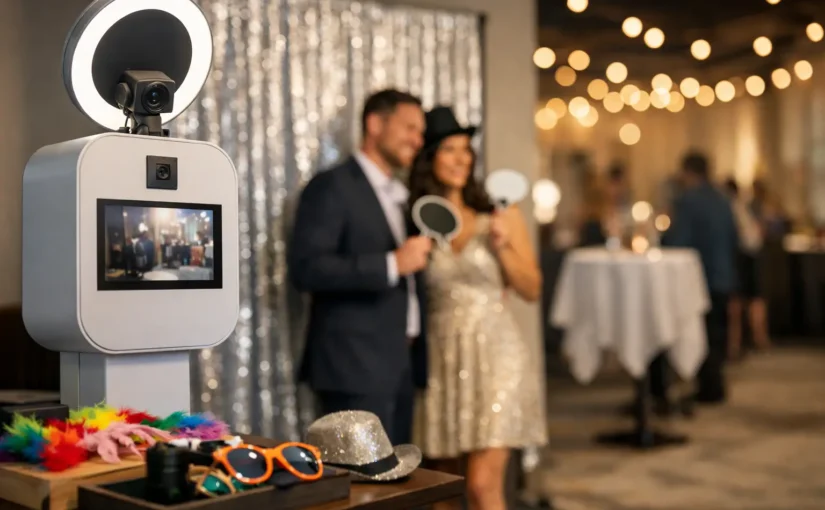
If your reception includes a photo booth, it can add another layer to the guest experience. Formal wedding photography tells the visual story with intention. A photo booth gives guests a playful space to create their own memories, especially friends and family members who may be less likely to step onto the dance floor. The combination can produce a fuller record of the night: polished storytelling alongside uninhibited personality.

Don’t Leave Your Own Celebration Too Early

Couples often feel pulled in every direction during a reception. You want to greet everyone, thank your families, eat dinner, dance, and somehow stay present through it all. The truth is that you cannot have a long conversation with every guest, and you do not need to.

Choose a few moments to be fully in the room. Sit together for part of dinner. Listen to the speeches without worrying about the next event. Step onto the dance floor when the song you love comes on. Those choices create the emotion that photographs can preserve.

It can also be valuable to take a brief pause together. A few quiet minutes outside, on a balcony, or in a calm corner of the venue can offer a reset after the busiest parts of the day. These moments often create some of the most relaxed and connected reception portraits because there is no need to perform for anyone.

Think about the ending before the night begins

Your exit or final dance can be a beautiful close, but it needs a plan. Sparklers, glow sticks, confetti, vintage cars, and private last dances all photograph differently. Some require venue approval, extra setup time, or clear guest direction.

If you are planning a staged send-off before the reception truly ends, let guests know where to gather and when. If you prefer a natural ending, consider a private final dance while guests prepare for departure. The best choice depends on the energy you want to remember: a big, joyful farewell or a quiet breath together before the night is over.

A reception does not need to be perfectly choreographed to be beautifully photographed. It needs room for the people, traditions, and spontaneous moments that make your celebration unmistakably yours. When you protect that space, your photographs will hold far more than a schedule of events – they will bring you back to the feeling of being celebrated.

How to Plan Corporate Event Photography Well

A full room, a meaningful keynote, a great venue, and a polished guest experience can all happen in a few fast-moving hours. The photos are what let that work keep making an impression afterward. Knowing how to plan corporate event photography means giving your photographer enough direction to capture the energy, the people, and the business purpose behind the event without turning the day into a production.

Whether you are planning a client appreciation dinner, conference, holiday party, executive gathering, awards ceremony, or team celebration, a thoughtful photography plan protects the moments that matter most. It also makes the experience easier for guests, speakers, and your internal team.

Start With the Event’s Real Purpose

Before building a shot list or comparing coverage times, clarify what the event needs to accomplish. Corporate photography can support many goals, and the best approach changes depending on what comes next for the images.

A recruiting event may need candid photos that show team culture and connection. A conference may need strong images of speakers, branded environments, full rooms, and active attendee engagement. An awards dinner may call for flattering portraits of honorees, presentation moments, and the reactions that make recognition feel personal. If the images will be used on social media, in a recap email, for future event promotion, or in press materials, say so early.

Ask your team one practical question: when someone sees these photos a week from now, what should they understand or feel? The answer becomes a useful creative direction. It could be confidence in your company, excitement around a product, appreciation for employees, or a sense that this is an organization people want to work with.

Build a Brief Your Photographer Can Use

A photographer does not need a 10-page document to do excellent work. They do need the key information before the event begins. A simple, focused brief prevents missed moments and reduces the number of questions your team has to answer while managing guests.

Share the event name, date, venue, coverage start and end times, expected attendance, dress code, and primary contact. Include the schedule, even if it is still being finalized, with special attention to arrivals, speeches, presentations, awards, group photos, entertainment, and any planned surprise. If there are VIPs, executives, sponsors, or keynote speakers, provide names and photos when possible.

It also helps to explain your brand expectations. Are you looking for elevated, editorial-feeling images? Warm, candid team interactions? Formal documentation for an annual report? Most events benefit from a blend, but the balance matters. A startup launch and a law firm reception can both be photographed beautifully while feeling very different in the final gallery.

Prioritize the Must-Have Moments

A long shot list can become restrictive, especially when the event has a packed schedule. Instead, identify your non-negotiables first. For many corporate events, that includes branded signage, venue wide shots before guests arrive, key speakers, audience reactions, sponsor visibility, VIP interactions, award recipients, and a few polished group portraits.

Then leave room for the moments you cannot schedule: a colleague laughing during cocktail hour, a client warmly greeted by a host, an audience member leaning in during a presentation, or a proud reaction after an award is announced. Those images often carry the strongest sense of atmosphere.

Plan the Schedule Around Light, Access, and Energy

Good event photography is not only about being present. It is about having access at the right time. Build in a small amount of breathing room around the event schedule so photography does not compete with the guest experience.

If you want clean images of the room, tablescapes, signage, stage, or a photo booth setup, schedule the photographer to arrive before doors open. This is especially valuable for events with carefully planned decor or sponsor displays that may be covered by coats, bags, and crowds once the celebration begins.

For executive or team portraits, designate a quiet location and a specific window before the room fills up or during a natural break. Trying to gather leadership for a group photo at the end of the night is possible, but it is rarely the easiest option. People may have left, drinks may be in hand, and energy is usually focused somewhere else.

Consider the rhythm of your event, too. Cocktail hour tends to produce relaxed, social images. During a program, the focus shifts to speakers and audience reactions. Later in the evening, images often become more celebratory and candid. Coverage should match the parts of the event you most want to remember.

Choose a Venue With Photography in Mind

You do not need a studio-perfect venue, but light and layout influence the final result. When touring a space, look beyond capacity and catering. Notice where guests will enter, where speeches will happen, and whether there is a clean area for quick group portraits.

Dark rooms can create a dramatic mood, but they may require more intentional lighting and limit the bright, airy look some brands prefer. Large windows can be beautiful during the day, although strong backlighting may affect the placement of speakers or step-and-repeat backdrops. Ceiling height, stage access, and sightlines all matter when your goal is to capture a room that feels full and engaged.

If your event is in the Bay Area or Sacramento, venue styles can vary widely, from modern offices and hotel ballrooms to wineries, outdoor spaces, and industrial event rooms. Share venue photos or schedule a walkthrough when the location presents unusual lighting, tight access, or multiple activity areas.

Make Guests Comfortable Being Photographed

The strongest corporate event images feel natural, not forced. Guests are more likely to relax when they understand that photography is part of the experience and when the photographer can work confidently without interrupting conversations.

Let attendees know in advance that photography will take place, particularly if photos may appear in marketing or social content. A brief note in the invitation, registration page, or event reminder is often enough. For internal events, this also gives employees an opportunity to arrive camera-ready without making the evening feel overly formal.

Onsite, assign one informed point person who can introduce the photographer to key stakeholders and flag schedule changes. This person should know who needs to be photographed but should not have to escort the photographer all night. Clear communication before the event creates the freedom to document it naturally during the event.

Add an Interactive Photo Moment When It Fits

For celebrations, holiday parties, grand openings, and employee appreciation events, a digital photo booth can complement event coverage rather than replace it. The photographer documents the larger story of the event, while the booth gives guests a fun, low-pressure way to create a shareable keepsake together.

This is particularly effective when you want branded images, instant digital delivery, or an activity that encourages guests to mix and participate. It is not necessary for every event. A leadership summit may benefit more from discreet, documentary-style coverage, while a company anniversary party may come alive with both professional photography and an interactive station.

Set Expectations for Delivery and Usage

Discuss image delivery before the event, not after. Ask when you can expect a preview selection and the complete gallery, especially if your marketing team needs images for a next-day recap or social post. Fast delivery can be valuable, but it should not come at the cost of thoughtful editing and consistent image quality.

Also clarify who will have access to the gallery and how the images will be used. Your communications team may need high-resolution files for print, while social media managers need easy-to-share images sized for digital channels. If sponsors are involved, decide in advance whether and how they will receive images.

Avoid assuming that every photo should be published. A strong gallery gives you options, but your final selections should reflect the message and people you want to represent. This is especially relevant for private client events, leadership gatherings, and occasions where guest privacy matters.

Treat Photography as Part of the Guest Experience

When photography is planned early, it stops feeling like an add-on that gets squeezed into the final event checklist. It becomes part of how your organization welcomes guests, recognizes people, and extends the life of a well-produced occasion.

Aaron Wilson Photography approaches corporate coverage with that balance in mind: professional images, clear guidance, and a comfortable experience for the people in the room. Give your photographer the story, the priorities, and the access they need, then let your guests enjoy the event. The result should feel like more than documentation. It should feel like your event at its best.