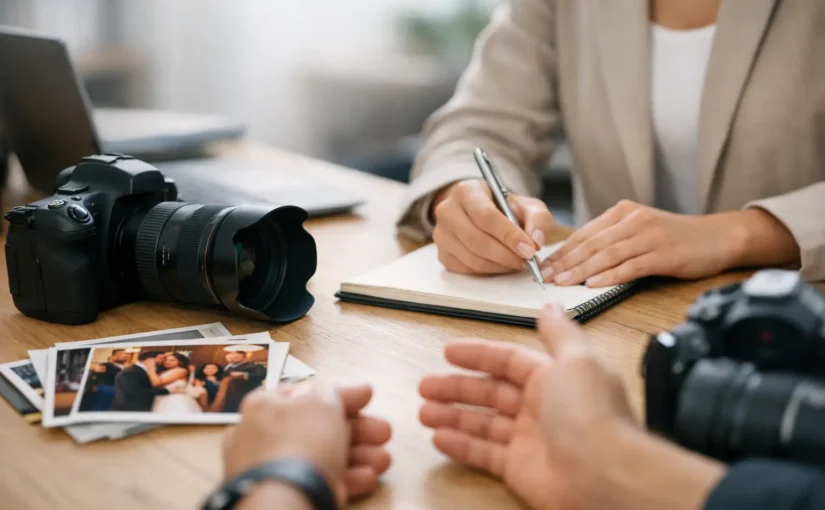
The best event photos are rarely an accident. They come from a photographer who understands what the occasion means to you, knows where the important moments will happen, and can make guests feel comfortable without pulling them away from the celebration. Knowing how to book an event photographer starts with looking beyond a gallery of beautiful images and choosing someone who can support the experience you want to create.
Whether you are planning a birthday, corporate gathering, wedding celebration, graduation party, launch event, or milestone dinner, the right photographer gives you more than a folder of pictures. They preserve the energy, connections, details, and confidence that made the day worth gathering for.
Start With the Story You Want Captured
Before reaching out to photographers, take a moment to define the purpose of your event. A corporate awards dinner needs a different approach than a surprise birthday party. A wedding reception may call for emotional candids, family groupings, and carefully photographed details, while a fitness event or brand activation may need strong action images and polished content for social media.
Think about what you want to remember when the event is over. Is it the guest of honor’s reaction? The room full of people who showed up to celebrate? The atmosphere you spent weeks creating? Or the professional moments your organization will want to share afterward?
You do not need a perfect shot list before you inquire. In fact, a good photographer can help you shape one. But arriving with a clear sense of the event’s priorities makes it easier to find coverage that feels personal rather than generic.
Decide What Type of Coverage Fits the Event
Event photography is not one-size-fits-all. Some gatherings need continuous documentary coverage from arrivals through the final toast. Others only need a photographer for the most meaningful two or three hours. Your schedule, guest count, venue layout, and goals all affect what makes sense.
For a small birthday dinner, you may want a focused window for portraits, candid conversations, cake cutting, and group photos. For a company event, you may need arrival photos, speakers, branding, networking, award recipients, and room-wide images that show attendance and energy. If you are hosting a high-energy celebration, a photo booth can also add a guest experience that complements professional event coverage rather than replacing it.
Be honest about your priorities. Shorter coverage can be a smart choice when the key moments happen within a defined timeframe. Longer coverage is usually worth it when the schedule is fluid, the event has several major segments, or you want the story of the full day documented.
Set a Realistic Budget Before You Fall in Love With a Gallery
Photography pricing reflects more than the time spent at your event. It often includes planning, travel, professional equipment, image selection, editing, gallery delivery, and the experience required to work confidently in changing lighting and fast-moving situations.
When setting a budget, decide what matters most: the number of hours, the level of editing, the speed of delivery, or added experiences such as a digital photo booth. There can be trade-offs. A lower-cost option may offer fewer hours or less customized planning. A larger investment may provide more complete coverage, stronger consistency in difficult lighting, and a more guided process from start to finish.
Rather than asking only for the lowest price, ask what is included and whether the package matches the event you are actually hosting. The least expensive quote is not always the best value if it leaves important moments uncovered or creates uncertainty on the day.
Review Portfolios for More Than Highlight Images
A polished portfolio should make you feel something, but it should also answer practical questions. Look for images from events that are similar in pace, size, and lighting to yours. Can the photographer handle dim reception spaces, outdoor sun, large groups, movement, and candid interactions? Do the photos feel natural and flattering for a range of people?
Pay attention to consistency. Anyone can capture one great frame. What you want is evidence that the photographer can deliver quality across a full event: detail shots, meaningful reactions, speakers, group portraits, action moments, and the unplanned laughter that often becomes a favorite memory.
Style matters, too. Some clients prefer bright, airy imagery. Others want a richer, more dramatic look. Neither is automatically better. Choose a style that fits your event, your venue, and the way you want the memories to feel years from now.
How to Book an Event Photographer: Ask Better Questions
Once you have narrowed your choices, a short conversation can tell you far more than a package page. The goal is not to interrogate the photographer. It is to make sure you both understand the event and can work well together.
Ask about availability first, then share the date, venue, estimated guest count, event timeline, and the moments that matter most. From there, ask how they approach group photos, candid coverage, low-light spaces, and schedule changes. You should also understand how many hours are included, whether travel applies, when images will be delivered, and how the final gallery will be shared.
It is also helpful to ask what they need from you before the event. A professional may request a timeline, venue access details, names of key people, parking instructions, or a point person who can help gather family or staff for group photos. These details are not unnecessary paperwork. They are what allow the photographer to stay focused and calm when the event gets busy.
For corporate clients, discuss usage needs early. If images will be used for marketing, recruiting, press, internal communications, or social media, say so. Clear expectations help ensure the coverage supports your brand after the event, not just during it.
Confirm the Experience, Not Just the Deliverables
Technical skill is essential, but the photographer’s presence matters just as much. They will be around your guests during emotional, celebratory, and sometimes hectic moments. You want someone who is organized without being intrusive, friendly without taking over the room, and confident enough to guide people when needed.
This is especially valuable if you or your guests are camera-shy. A supportive photographer knows how to offer simple direction for group photos and portraits, then step back to capture genuine interactions. The result feels elevated but still honest to the occasion.
Ask yourself a simple question after your consultation: do I feel more at ease about the event now? If the answer is yes, that is a meaningful sign. The right professional makes the process clearer, not more complicated.
Reserve Early and Make the Booking Official
Popular weekends, holiday seasons, graduation periods, and peak wedding dates can fill quickly. If photography is a priority, begin your search as soon as you have a date and venue direction. You do not always need every event detail finalized to reserve coverage, but you should be ready to confirm the essentials.
A professional booking process should include a written agreement, a clear payment schedule, and confirmation of the services being provided. Read the agreement before signing, especially the coverage hours, cancellation or rescheduling terms, delivery expectations, and any additional fees that may apply.
Once your date is reserved, share updates as your plans develop. If the timeline changes, the venue moves, or you add a major moment such as a surprise performance, let your photographer know. Early communication gives them the best chance to plan thoughtfully.
Prepare Your Photographer for a Strong Event Day
A few simple details can make a major difference in the final gallery. Send the final timeline, addresses, parking or access instructions, and the names of anyone who must be photographed. If there are family dynamics, VIP guests, company leaders, or a surprise you want kept private, communicate that in advance.
If group portraits matter, schedule them intentionally. Trying to gather everyone after guests have started leaving or after the music gets loud can be stressful. A brief, planned window keeps the process easy and lets everyone get back to enjoying themselves.
You can also help by considering light. If you are choosing between two locations for speeches, cake cutting, or a special reveal, ask which one will photograph better. Small decisions like facing a window, opening curtains, or avoiding harsh overhead lighting can noticeably improve the result without changing the feel of the event.
When you are ready to book, choose a photographer who treats your occasion like more than an appointment on a calendar. Aaron Wilson Photography approaches event coverage as part of the celebration itself, with polished imagery and guidance that helps clients stay present for the moments they worked so hard to create. The right fit lets you put down the phone, enjoy your people, and trust that the memories are being captured with care.