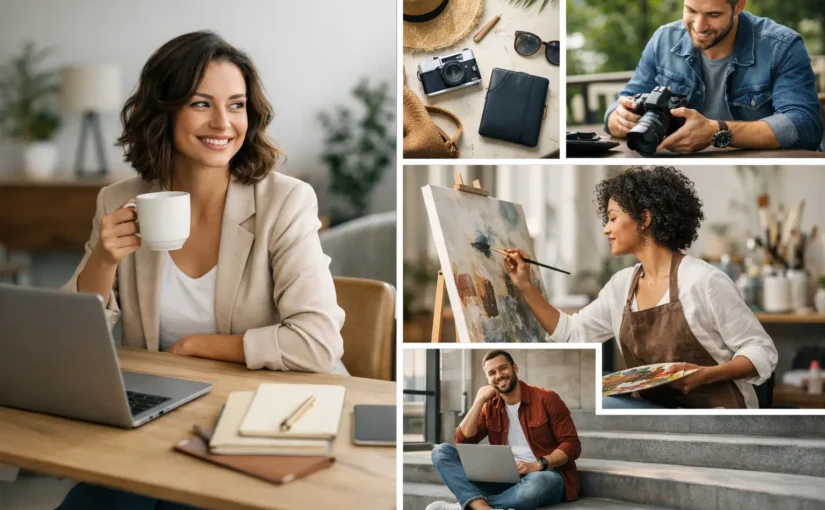
A strong personal brand should not look like a stock photo of someone else’s success. The best personal branding photoshoot ideas begin with a simple question: what do you want people to feel after they find your website, profile, or latest post? Capable, approachable, bold, creative, grounded, energetic – the answer shapes every choice, from location to wardrobe to expression.
For entrepreneurs, coaches, creatives, fitness professionals, and corporate leaders, brand photography is more than a new headshot. It is a practical collection of images that helps people recognize your work, trust your presence, and remember what makes your approach distinct. The goal is polished photos that still feel like you on a very good day.
Start With the Story Behind the Images
Before choosing poses or scrolling through inspiration, get clear on the job your photos need to do. A consultant launching a new service may need confident, direct portraits for a sales page. A wellness coach may need calm, conversational images that make a first-time client feel at ease. A speaker may need movement, audience-facing energy, and a few polished close-ups for event organizers.
Think about where your photos will appear over the next six to twelve months. Your website header, social profiles, email newsletter, podcast features, press mentions, online course materials, and event promotions all call for slightly different crops and moments. Planning for those uses keeps you from receiving one beautiful portrait and realizing you have nothing that fits a banner, vertical story, or announcement graphic.
Choose two or three brand qualities to guide the session. You might want to appear polished and personable, powerful and playful, or creative and highly organized. This gives your photographer a useful direction without forcing you into a personality that does not fit.
Personal Branding Photoshoot Ideas for Real Connection
1. Work in your element
Photograph yourself doing the work people hire you to do. That could mean reviewing plans with a client, coaching a movement, preparing a product order, sketching a concept, or arranging details before an event. These images give context to your expertise and make a website feel more alive than a page filled only with posed portraits.
2. The focused desk portrait
A desk scene can communicate preparation, strategy, and professionalism, especially for consultants, authors, and service providers. Keep the surface intentional rather than perfectly empty. A laptop, notebook, sample materials, or a favorite coffee cup can add personality, but too many objects compete with you.
3. The window-light conversation
Sitting near a window with a relaxed posture creates an approachable, thoughtful feel. This is a useful option for coaches, therapists, educators, and anyone whose work depends on trust. It works best when the wardrobe and setting support your actual brand instead of looking overly formal or staged.
4. Walking with purpose
Movement photographs bring energy to a brand and leave useful negative space for text in social graphics or website banners. Walk through a neighborhood business district, a bright studio, or an outdoor location that matches your aesthetic. The key is not to perform a runway walk. A natural pace, relaxed hands, and a clear destination usually photograph best.
5. The signature tool shot
Include the item that instantly connects you to your work: a camera, microphone, sketchbook, laptop, fitness equipment, product sample, or presentation remote. The prop should support the image, not become a costume. If someone could remove the tool and still understand your personality, the photo will feel more timeless.
6. The confident close-up
Every brand library needs a clean, well-lit portrait where your face is the focus. This is the image that can carry a profile photo, speaker bio, press request, or About page. A direct look into the lens communicates confidence, but a slight turn or soft expression can be a better fit if your brand is warm and conversational.
7. A candid laugh or in-between moment
Not every image needs eye contact with the camera. A genuine laugh, a glance away, or a moment of adjustment between poses gives your gallery range and helps social content feel more human. These moments cannot be forced, which is why a guided session with enough breathing room matters.
8. The meeting-table scene
If your work is collaborative, show it. A small team discussion, planning session, or client consultation can demonstrate leadership and connection without relying on generic corporate imagery. Use people who represent your real audience or team whenever possible, and make sure everyone understands how the images will be used.
9. Teaching, speaking, or presenting
Show the part of your work that happens after people say yes. A photo of you teaching a workshop, leading a training, or speaking to a room builds credibility for event planners and prospective clients. It also captures your body language, which often communicates authority more quickly than a posed headshot.
10. The behind-the-scenes detail
Hands arranging materials, writing notes, setting up equipment, or preparing a product can be powerful supporting content. Detail images are especially helpful when you want to create a cohesive website or social carousel without using your face in every frame. They also give designers flexibility when adding copy to an image.
11. A location that reflects your pace
A clean studio may be ideal for a sleek, modern brand. A colorful downtown setting can suit a creative founder, while an outdoor location can reinforce an athletic, wellness, or lifestyle-focused message. In the Bay Area and Sacramento, there are plenty of visual options, but the best backdrop is the one that supports your brand without distracting from it.
12. A texture-rich wall or architectural backdrop
Brick, soft concrete, glass, wood, and clean geometric lines can add depth while keeping the attention on you. This approach is useful when you want an editorial look without the visual noise of a busy location. It is also a smart choice for brands that need images to look consistent across many marketing materials.
13. The client-experience image
For a service business, show what it feels like to work with you. That might be a welcome moment, a thoughtful consultation, a celebratory reveal, or a supportive coaching interaction. These photos answer an unspoken question: will I feel comfortable in this person’s care?
14. A polished lifestyle moment
Lifestyle does not mean pretending to live someone else’s routine. It means choosing a real-world setting that gives people a glimpse of your values and rhythm. An author might be photographed at a favorite reading spot, while a fitness professional could be captured warming up, recovering, or planning a program between sessions.
15. The campaign-ready statement portrait
Plan one image with a bolder expression, sharper styling, or more dramatic composition for launches and major announcements. It does not have to be serious. It simply needs to feel intentional enough to stop someone mid-scroll. This is where a stronger color, structured jacket, striking backdrop, or confident stance can make sense.
Build a Wardrobe That Gives You Options
Bring two or three outfits instead of relying on one look. A simple formula works well: one polished look for website and professional use, one more relaxed outfit for social content, and one look with a little more personality for a launch or creative campaign. Choose clothing that fits well when standing, sitting, and moving.
Solid colors are often easier to use across platforms, but texture and subtle patterns can add dimension. Consider your brand palette without dressing head to toe in logo colors. If your visual identity is neutral, a rich accent color can bring warmth. If your brand already uses bright graphics, cleaner wardrobe choices may create better balance.
Avoid saving a new outfit for the session if you are unsure how it feels. Confidence is visible. The best outfit is usually the one that lets you breathe, move, and recognize yourself in the mirror.
Make the Session Easier on Yourself
You do not need to know how to pose before you arrive. A personalized session should include clear direction for hand placement, posture, expression, and movement, so you are never left wondering what to do next. A few days beforehand, share examples of images you like and explain what appeals to you about them. Is it the lighting, the energy, the location, or the styling? That detail is more useful than trying to copy the photo exactly.
Give yourself enough time before the session to arrive unhurried. Schedule hair, makeup, grooming, and wardrobe preparation with a little margin. Bring water, a lint roller, touch-up items, and any meaningful tools or products that belong in the images.
Also be realistic about your comfort level. A busy public location can create lively images, but it may not be the best choice if being watched makes you tense. A private studio or quieter outdoor setting can produce stronger expressions because you have space to settle into the experience.
Think Beyond One Great Headshot
The most valuable branding session produces variety: horizontal and vertical frames, close-ups and full-length portraits, direct eye contact and candid moments, clean backgrounds and environmental images. That range helps your brand stay recognizable while preventing every post from looking identical.
Ask for images with open space on one side when you know you will add text later. Consider both seasonal and evergreen needs as well. A holiday campaign may be fun, but your core images should still feel relevant after the promotion ends.
Your personal brand does not need to be louder to be memorable. It needs to be clear, consistent, and comfortable enough that you can show up in it again and again. When you choose personal branding photoshoot ideas that reflect your real work and personality, the camera becomes less about performing and more about giving people a confident first look at what you bring to the table.