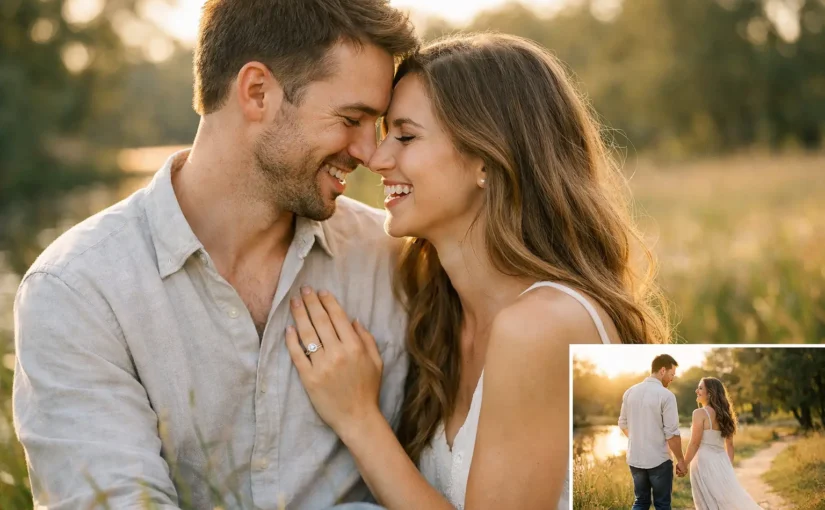
The best engagement photos rarely come from holding a perfect pose for the camera. They come from the small, recognizable moments: the way you make each other laugh, the hand you reach for without thinking, and the quiet pause that feels like the two of you. This engagement photo session guide is designed to help you prepare without turning a meaningful celebration into a stressful production.
Your session is also a chance to get comfortable being photographed before the wedding. With a little planning and clear guidance, you can walk away with polished images that feel personal, confident, and unmistakably yours.
Start With the Story You Want Your Photos to Tell
Before choosing a location or shopping for an outfit, talk about what you want to remember from this season. Maybe your relationship is energetic and playful. Maybe it is grounded in Sunday mornings, good food, long walks, or a shared love of the city. Those details are more useful than trying to copy a pose from someone else’s gallery.
Consider the feeling you want when you look back at these images five, ten, or twenty years from now. Romantic and elevated? Casual and candid? Modern, editorial, or connected to a favorite outdoor setting? There is room for all of it, but choosing a general direction helps every later decision feel easier.
You do not need a detailed shot list. A few priorities are enough: a photo for a save-the-date, images with your dog, a dramatic sunset portrait, or relaxed photos where you are both dressed like yourselves. Share those priorities before the session so your photographer can shape the experience around them.
Choose a Location That Feels Like You
A beautiful setting helps, but the most scenic location is not always the right one. Think about where you will feel comfortable moving, talking, and being close. A meaningful neighborhood, a coastal overlook, a quiet park, a downtown street with strong architecture, or a favorite open landscape can all work beautifully.
For Bay Area and Sacramento couples, the season matters as much as the setting. Coastal locations can be cool and windy even on a warm day. Open fields can be stunning near sunset but may be dry and golden later in the year. Urban spaces offer texture and variety, while parks and waterfronts create a softer, more relaxed feel. Your photographer can help weigh lighting, parking, permits, crowds, walking distance, and backup options.
Avoid choosing a location only because it is popular online. If it requires a long hike in formal clothing, has very limited parking, or makes you worry about being watched, it may take attention away from the experience. The right place is one that gives you room to be present together.
One Location or Two?
One well-chosen location is often enough for a full, varied gallery. It allows time to settle in, explore different backgrounds, and avoid spending a large part of the session driving. Two nearby locations can work well if you want contrast, such as an urban area followed by a waterfront or open space.
The trade-off is time. Changing locations can add variety, but it can also interrupt the rhythm once you start feeling comfortable. If you choose two, keep them close and plan your wardrobe around the transition.
Plan Outfits Around Comfort, Movement, and Color
You do not need matching outfits. In fact, coordinated usually photographs better than identical. Choose colors that work together, such as neutrals paired with one richer tone, and avoid clothing that competes for attention with oversized logos, very small busy patterns, or neon shades that may reflect color onto skin.
Aim for one outfit that feels polished and one that feels a little more relaxed if your session timing allows for a change. A dress or tailored look can create a more elevated portrait, while jeans, layers, or a favorite jacket can bring in your everyday personality. The strongest option is always the one that lets you move naturally and feel like yourselves.
Pay attention to fit. Clothing that is too tight can limit movement and make you self-conscious. Clothing that is extremely loose can hide your shape in ways you may not love in photos. Try everything on together before the day, including shoes and accessories, and sit, walk, and hug in it. If you cannot comfortably do those things, make an adjustment.
Bring only a few practical essentials:
- Comfortable shoes for walking between photo spots
- A backup layer for wind or changing temperatures
- Lip balm, blotting papers, and a small touch-up kit
- Water and any items with personal meaning, such as a jacket, champagne, or a pet accessory
Props should add to your story, not take over every frame. Your engagement ring, a blanket for a picnic-style moment, or your dog can be meaningful. A large collection of props often creates more to manage than it adds to the final images.
Time Your Session for Better Light and Less Rush
Light changes the entire feel of a photograph. The hour or two before sunset is popular for good reason: it creates softer light, warm color, and a flattering glow. Morning can be equally beautiful, especially if you prefer quieter locations, cooler temperatures, or a schedule that leaves the rest of the day open.
Midday sessions are possible, particularly in shaded urban spaces or on overcast days, but they require more attention to finding flattering light. Flexibility is helpful. If your schedule allows, trust the recommended start time rather than choosing the hour that simply sounds most convenient.
Build in more time than you think you need beforehand. Rushing through traffic, searching for parking, or finishing hair and makeup at the last minute can make anyone feel tense. Arrive early enough to take a breath, use the restroom, make final wardrobe adjustments, and start the session feeling settled.
What Happens During the Session
Many couples worry because they have never been professionally photographed together. You are not expected to know what to do with your hands, where to look, or how to stand. A guided session should make those questions disappear quickly.
Your photographer may start with simple direction to help you find flattering positions, then build in prompts that create natural interaction. You might be asked to walk together, lean in, tell each other a favorite memory, or pause forehead to forehead. These are not tests of how photogenic you are. They are small ways to create genuine connection and movement.
The first ten minutes can feel unfamiliar. That is normal. Give yourselves permission to be a little awkward at first, laugh when something feels silly, and stay focused on each other instead of trying to monitor every image. The camera tends to disappear once you stop treating the session like a performance.
Small Details That Make a Big Difference
Keep phones tucked away unless they are needed for logistics. Empty pockets of bulky keys, sunglasses, and wallets. If you wear a smartwatch and it does not suit your outfit, consider removing it. These small choices keep the attention where it belongs: on your connection.
If one of you is more camera-shy, say so early. Good direction can be adjusted to make the experience feel easier, whether that means more walking and candid prompts, fewer people around, or taking a few minutes to warm up before closer portraits.
Make the Photos Useful After the Session
Engagement photos are more than an announcement image. They can be used for save-the-dates, wedding websites, guest books, reception displays, thank-you cards, or framed artwork in your home. Thinking about those uses ahead of time can help you choose a mix of close portraits, wider scenic images, vertical compositions, and a few with open space for text.
When your gallery arrives, resist the pressure to choose a single “best” photo immediately. Look for the images that feel most like your relationship, not only the ones where everything appears perfectly posed. Often, the image you treasure most is the one that brings back how the day felt.
At Aaron Wilson Photography, the goal is to give couples both refined images and a session that feels easy, personal, and worth celebrating. Check availability early, especially if you have a specific season, weekend, or location in mind. Then let the planning support the moment rather than overshadow it: show up together, stay curious, and give yourselves permission to enjoy being engaged.