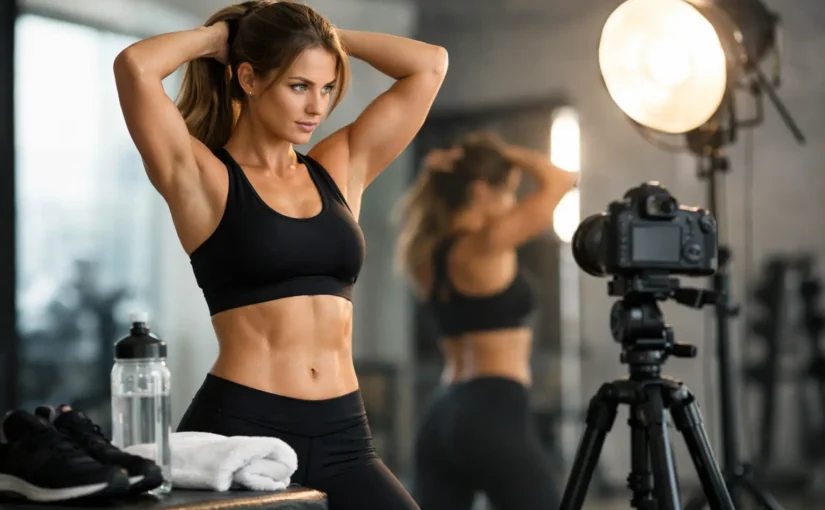
A fitness photoshoot usually looks effortless in the final images – strong posture, defined lines, real confidence. What most people do not see is the planning that makes that result possible. If you are wondering how to prepare for fitness photoshoot sessions, the goal is not to chase perfection. It is to show up feeling prepared, comfortable, and fully aligned with what you want the images to say.
That matters whether you are a bodybuilder deep into prep, a trainer updating your brand, or someone celebrating personal progress. Great fitness portraits are not only about low body fat or dramatic lighting. They are about intention. The better your preparation, the more relaxed and powerful you will look on camera.
How to prepare for fitness photoshoot goals
The first step is deciding what kind of fitness story you want to tell. Not every session should look the same, and that is a good thing. A personal trainer building a website may need clean, polished branding images. A competitive athlete may want high-drama portraits that emphasize muscle definition. Someone documenting a transformation may want a mix of strength, pride, and personality.
This is where clarity helps. Before your session, think about the final use of the photos. Are they for social media, marketing, a portfolio, a milestone, or simply for yourself? That answer influences wardrobe, location, lighting style, and even your expression. A session built around your actual goals always feels stronger than one based on random inspiration.
It also helps to define which features you want to emphasize. Shoulders, back, abs, legs, or overall athletic presence can all be highlighted differently through posing and outfit choices. You do not need to know the technical answer to everything before you book. You just need a clear sense of what matters most to you.
Start prep early, not the night before
If your first instinct is to panic-buy outfits and cut water the day before, pause there. Last-minute prep usually creates stress, not better photos. Give yourself at least two to three weeks to organize the basics so your session feels intentional instead of rushed.
That prep window is useful for simple things – choosing outfits, planning grooming, saving pose inspiration, and communicating with your photographer. If you are on a structured fitness plan already, this is also enough time to think through timing. You do not need an extreme peak week to get strong images, and for many clients, aggressive short-term changes actually backfire by leaving them flat, tired, or uncomfortable.
For most non-competition shoots, consistency beats intensity. Prioritize regular training, steady hydration, quality sleep, and meals that make you feel good. If you are preparing for a more advanced physique-focused session, your approach may be more specific, but even then, looking healthy and energized tends to photograph better than looking depleted.
Training, nutrition, and the reality of physique prep
This is the part where nuance matters. There is no single rule for every body or every shoot. Someone photographing a fitness brand campaign will prepare differently than someone celebrating six months of progress.
In the final week, many people benefit from avoiding anything extreme. Keep training familiar. You can still work hard, but now is not the moment to test a brutal leg day that leaves you unable to move naturally on shoot day. If your goal is visible definition, balanced workouts and moderate pump-up planning tend to work better than exhaustion.
Food is similar. Eat in a way that supports energy, stable digestion, and confidence. Sudden cheat meals, heavy sodium swings, or dramatic carb cuts can make you feel bloated or drained. If you know your body responds well to certain foods before workouts or events, stay with what is familiar. If you do not, keep it simple.
Hydration should also stay steady. A lot of bad advice around fitness shoots comes from methods that are too aggressive for most people. Looking your best on camera is not just about being lean. It is about having good skin tone, posture, energy, and muscle fullness. Those things usually improve when you are well-rested and well-hydrated.
Wardrobe choices that actually photograph well
Your outfit should support your physique, not compete with it. For fitness portraits, clean lines almost always win. Solid colors, well-fitted pieces, and outfits that match your training identity tend to photograph better than loud patterns or overly trendy looks.
Think in terms of variety. You may want one performance-based look, such as gym wear or competition-inspired attire, and one polished look that feels more editorial or brand-ready. A sports bra and leggings, fitted shorts and a tank, or a coordinated athletic set can all work well. For some clients, bare torso images make sense. For others, fitted layers tell a stronger story.
Bring options, but do not overpack without a plan. Three purposeful looks are more useful than eight random ones. Make sure each outfit fits your current body well. If something is too tight in the wrong places or keeps sliding out of position, that discomfort will show.
Shoes and accessories deserve attention too. Clean sneakers, lifting shoes, wraps, gloves, or resistance bands can add personality when they fit the concept. Just avoid clutter. If every item has to fight for attention, your shape and expression get lost.
Grooming and skin prep for a cleaner result
Fitness photography tends to highlight texture, definition, and detail, which means grooming choices show up clearly. A few simple decisions can make the finished images look far more polished.
If you plan to get a haircut, beard trim, wax, shave, or any body grooming, do it early enough to let your skin settle. The exact timing depends on your routine, but usually one to three days ahead is safer than same-day experimentation. Fresh razor burn and irritated skin are hard to hide.
Moisturized skin photographs better than dry skin, especially in sessions where muscle definition matters. If you use self-tanner, be cautious. A natural, even tone can look great. A last-minute streaky application usually does not. Test any new product before the shoot rather than hoping for the best.
For makeup, less is often more unless your session calls for a more editorial finish. Even a subtle touch-up can reduce shine and create a more even complexion on camera. The best approach is the one that still looks like you.
Practice posing before the session
One of the biggest misconceptions about fitness portraits is that being in shape automatically means being photogenic. Strength and posing are different skills. The good news is that posing can be practiced.
Spend time in front of a mirror and pay attention to posture. Small adjustments change everything – shoulders down, core engaged, chin placement, hand position, and the angle of your torso can all shift how your body reads on camera. Try a few front, side, and three-quarter angles. Notice where your lines look strongest and where you feel most natural.
Do not just practice flexing. Practice transitions, relaxed expressions, and movement too. Some of the best images happen between poses, when you are resetting, walking, adjusting gloves, or taking a breath. That athletic ease often feels more modern and more personal than a full set of hard flexes.
A guided photographer will help direct you during the session, but a little preparation gives you a big head start. You will spend less time feeling awkward and more time refining what already works.
The day before and day of your session
The day before, keep things calm. Lay out your outfits, pack extras, charge your phone if you are using reference images, and make sure anything you are bringing is clean and ready. This is not the time for chaos.
Get a full night of sleep if you can. It affects your face, your posture, your energy, and your patience. A tired body can still perform, but it rarely looks as vibrant on camera.
On the day of the shoot, arrive with enough time to settle in. Eat a meal that gives you energy without making you feel heavy. Bring water, a towel, and any small items that support the session, like resistance bands for a pump-up. If you are planning to get a pump before shooting, keep it controlled. The goal is to look activated, not exhausted and overheated.
If nerves show up, that is normal. Most people are not in front of a camera every week. A good session is not about pretending to be fearless. It is about trusting the process enough to relax into it.
Work with the experience, not against it
The strongest fitness images come from collaboration. When clients arrive prepared and open to direction, the session feels smoother, more confident, and far more personal. That is especially true if you are shooting in a gym, outdoors, or in a space where lighting and movement need to be adjusted as you go.
At Aaron Wilson Photography, that preparation is part of the experience, not an extra burden on the client. You do not need to walk in knowing every angle and every pose. You just need a clear reason for the session and a willingness to show up ready.
A fitness photoshoot is a chance to mark progress, celebrate discipline, and create images that feel as strong as the work behind them. Prepare with care, keep your routine realistic, and let the camera capture more than your physique – let it capture your presence.